

The Great Debate: Townhome vs. Condo
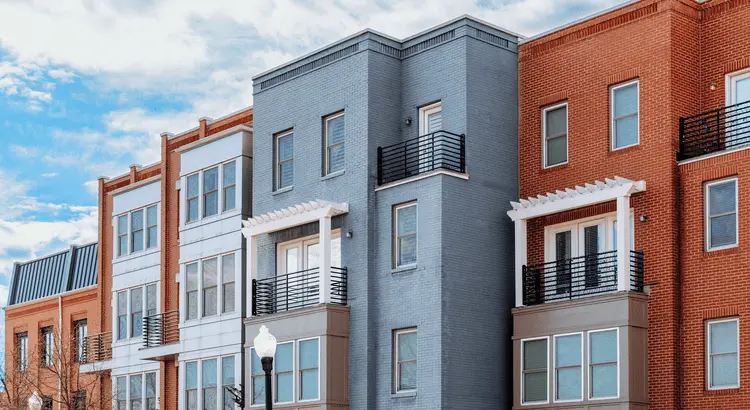
For many homebuyers—especially first-timers, downsizers, and busy professionals—the choice often boils down to two options: the townhome or the condominium. While they might look similar from the sidewalk, they represent two fundamentally different ways of owning real estate.
If you’re feeling a bit hazy on the details, don't worry. It’s a common point of confusion. Let’s break down the definitions, the "hidden" costs, and the lifestyle realities of each.
1. Defining the Property Types
The biggest difference between a townhome and a condo isn't just the architecture; it’s the legal nature of what you actually own.
What is a Townhome?
A townhouse is a multi-level dwelling that shares one or two walls with adjacent properties but sits on its own foundation.
-
Ownership: When you buy a townhome, you typically own the structure and the land it sits on (including a small front or back yard).
-
Structure: Usually vertical (2–3 stories). No one lives above or below you.
What is a Condo?
A condominium is a single unit within a larger building or complex.
-
Ownership: You own the interior airspace of your unit. You do not own the land, the exterior walls, or the roof. These are "common elements" owned collectively by all residents.
-
Structure: Can be high-rise apartments, low-rise "flats," or even detached units in some rare cases.
2. The Battle of the HOA (Homeowners Association)
Both property types usually involve an HOA, but the scope of their power—and your monthly bill—varies significantly.
| Feature | Townhome HOA | Condo HOA |
| Typical Cost | Lower to Moderate | Moderate to High |
| Coverage | Trash, snow removal, common area landscaping. | Roof, exterior siding, elevators, pools, gyms, and "walls-out" insurance. |
| Autonomy | Higher (You often choose your own windows/doors). | Lower (Uniformity is strictly enforced). |
The "Special Assessment" Risk
In a condo, if the building needs a new $200,000 roof and the reserve fund is empty, the HOA can levy a Special Assessment. This is a one-time, often mandatory fee charged to every owner. While townhomes can have these too, they are more common in high-density condo buildings with complex infrastructure like elevators and parking garages.
3. Maintenance: Who Picks Up the Hammer?
This is where the "lifestyle" aspect truly kicks in.
The Condo Life: "Lock and Leave"
Condos are the ultimate low-maintenance option. If the roof leaks or the siding fades, it’s the association’s problem. You are generally only responsible for what happens inside your four walls (appliances, plumbing fixtures, flooring). This makes condos perfect for travelers or those who view a lawnmower as a torture device.
The Townhome Life: Hybrid Responsibility
In a townhome, you are the king or queen of your castle—which means you’re also the head of maintenance.
-
Your Job: Roof repairs, gutter cleaning, and driveway maintenance.
-
The Perk: You have the freedom to renovate the exterior, plant a specific type of rose bush, or paint your front door a bold color (within HOA guidelines).
4. Privacy and Noise
If you value silence, the architectural differences here are massive.
-
Townhomes: You only share side walls. Since you own the land and the roof, there is no "elephant" living above you practicing the drums at 2:00 AM.
-
Condos: Depending on the construction (concrete vs. wood frame), you may hear neighbors above, below, and beside you. High-rise concrete buildings are generally quieter than older low-rise wood structures.
5. Financing and Resale Value
Mortgage Nuances
It is often slightly easier to get a mortgage for a townhome. Why? Lenders view them as "traditional" real estate because land is involved.
Condos must be "warrantable" to qualify for certain loans (like FHA). If a condo association has too many renters or is involved in a lawsuit, a bank might refuse to lend on any unit in that building.
Appreciation
Historically, townhomes tend to appreciate slightly faster than condos because they include land ownership. However, a luxury condo in a prime downtown location can outperform almost anything else in the market.
6. Which One Is Right for You?
Choose a Townhome if...
-
You want a yard: Even a small patio for a dog or a grill makes a huge difference.
-
You need more space: The multi-floor layout provides a natural separation between living areas and bedrooms.
-
You want "Light" Autonomy: You want to own your roof and land but don't want to deal with a massive 2-acre lot.
Choose a Condo if...
-
Location is everything: You want to be in the heart of the city, walking distance to work and nightlife.
-
You hate chores: You want your weekends free from landscaping and exterior repairs.
-
Security is a priority: Many condo buildings offer gated entries, doormen, and secure parking.
Summary Checklist
Before you sign that contract, ask yourself:
-
[ ] Am I okay with stairs? (Townhomes have a lot of them; condos often have elevators).
-
[ ] What is my "Monthly Peace of Mind" price? (Calculate HOA dues vs. DIY maintenance costs).
-
[ ] How much "neighbor" can I handle? (Side-by-side vs. all-around).
Finding the right home is about balancing your budget with your "bother" threshold. Whether you choose the vertical freedom of a townhome or the simplified ease of a condo, both offer a fantastic entry point into homeownership.
Categories
Recent Posts









"My job is to make you feel confident and in control of the process without getting overwhelmed, and to teach you what to expect and guide every step."
GET MORE INFORMATION